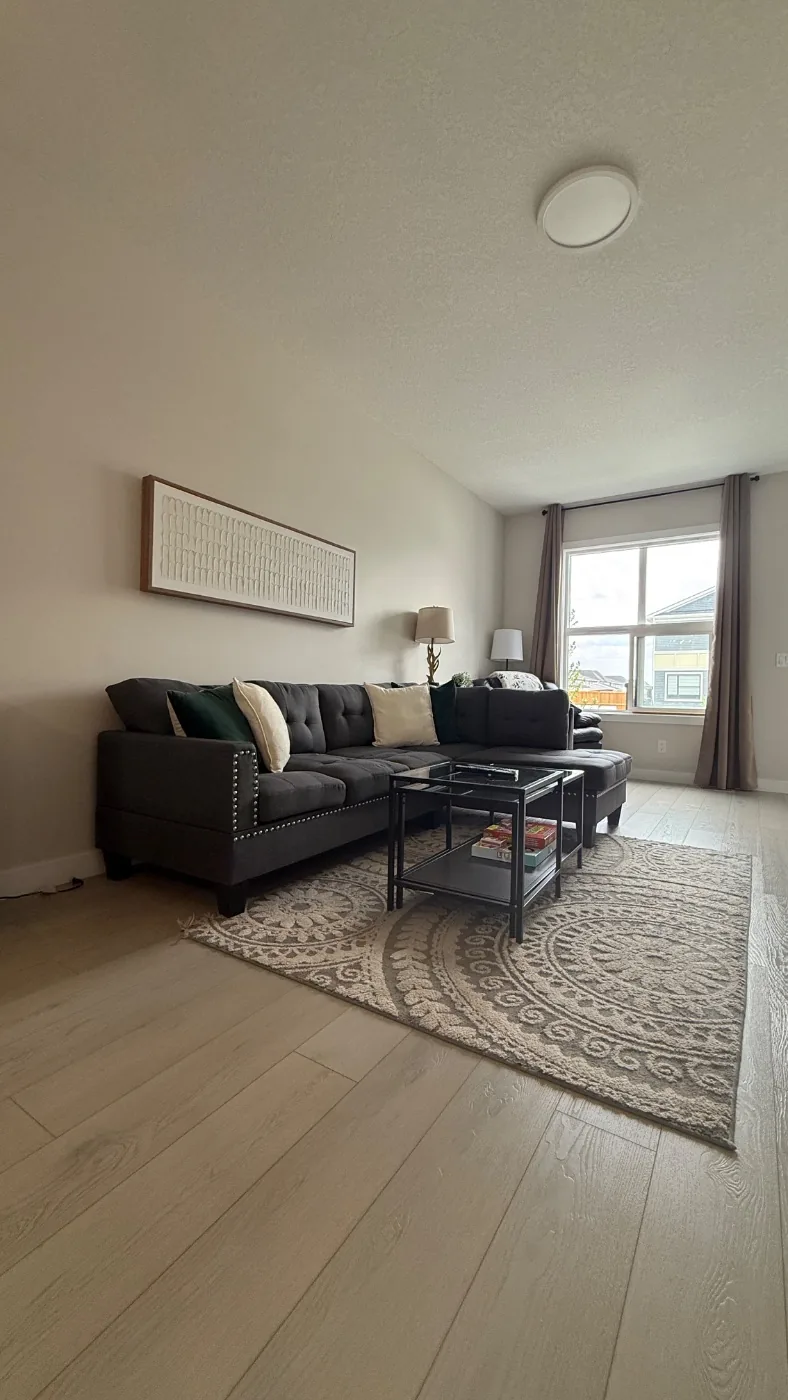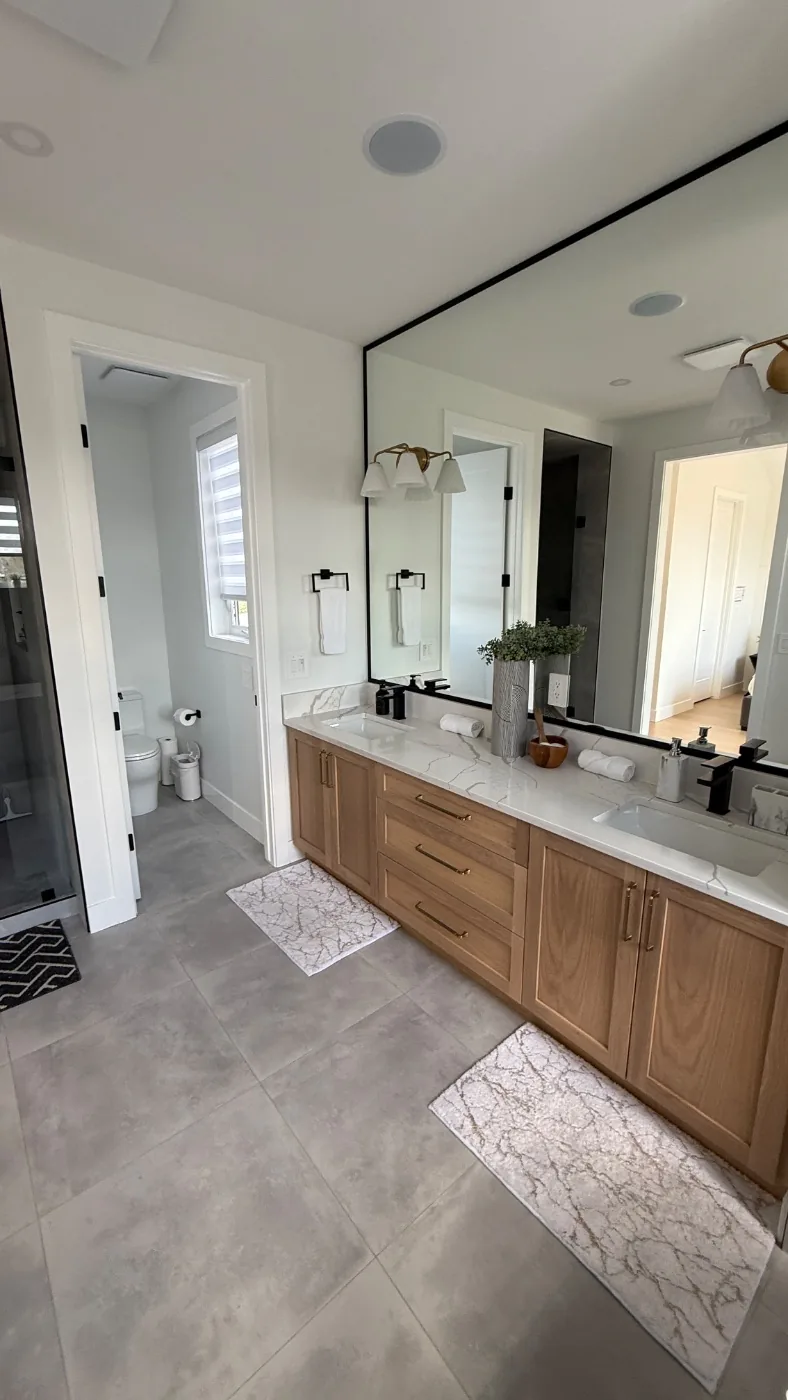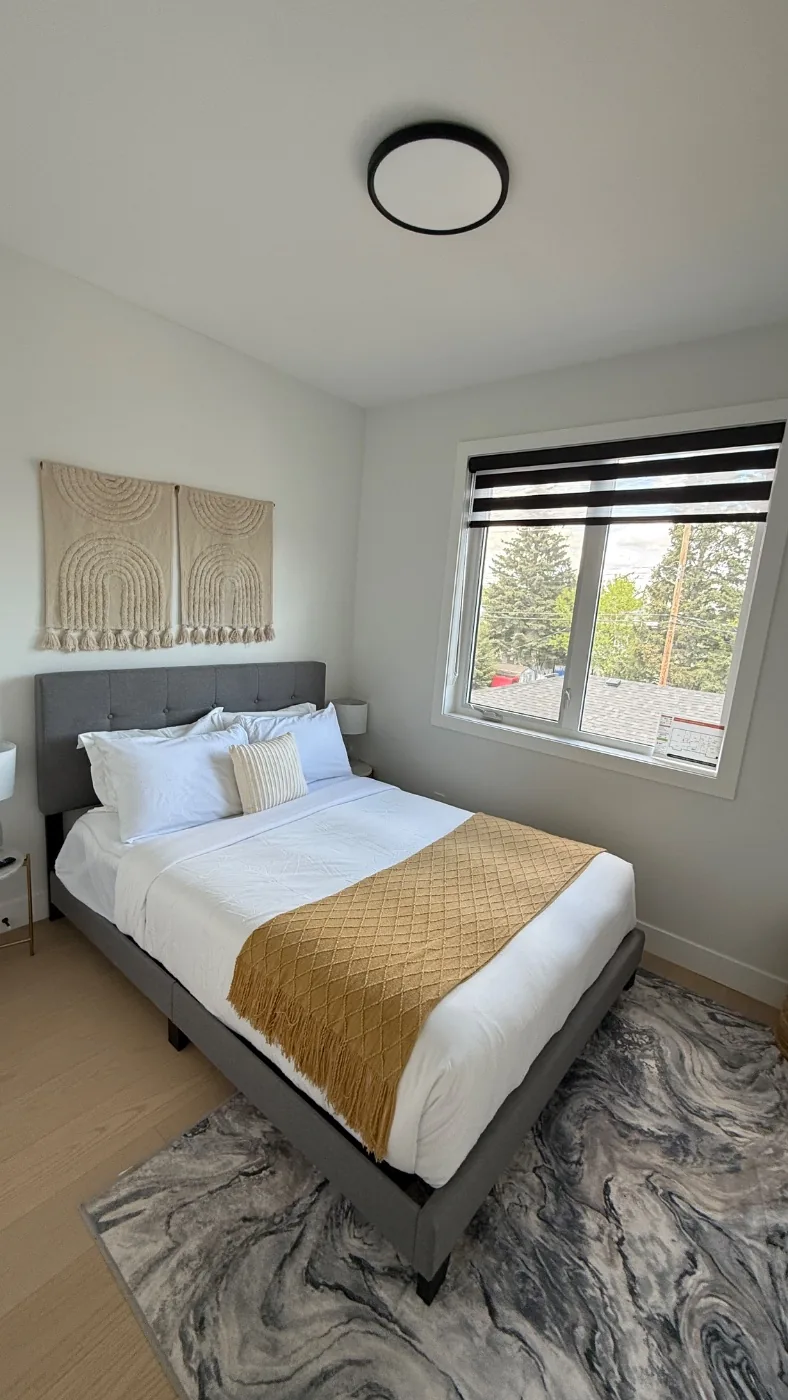
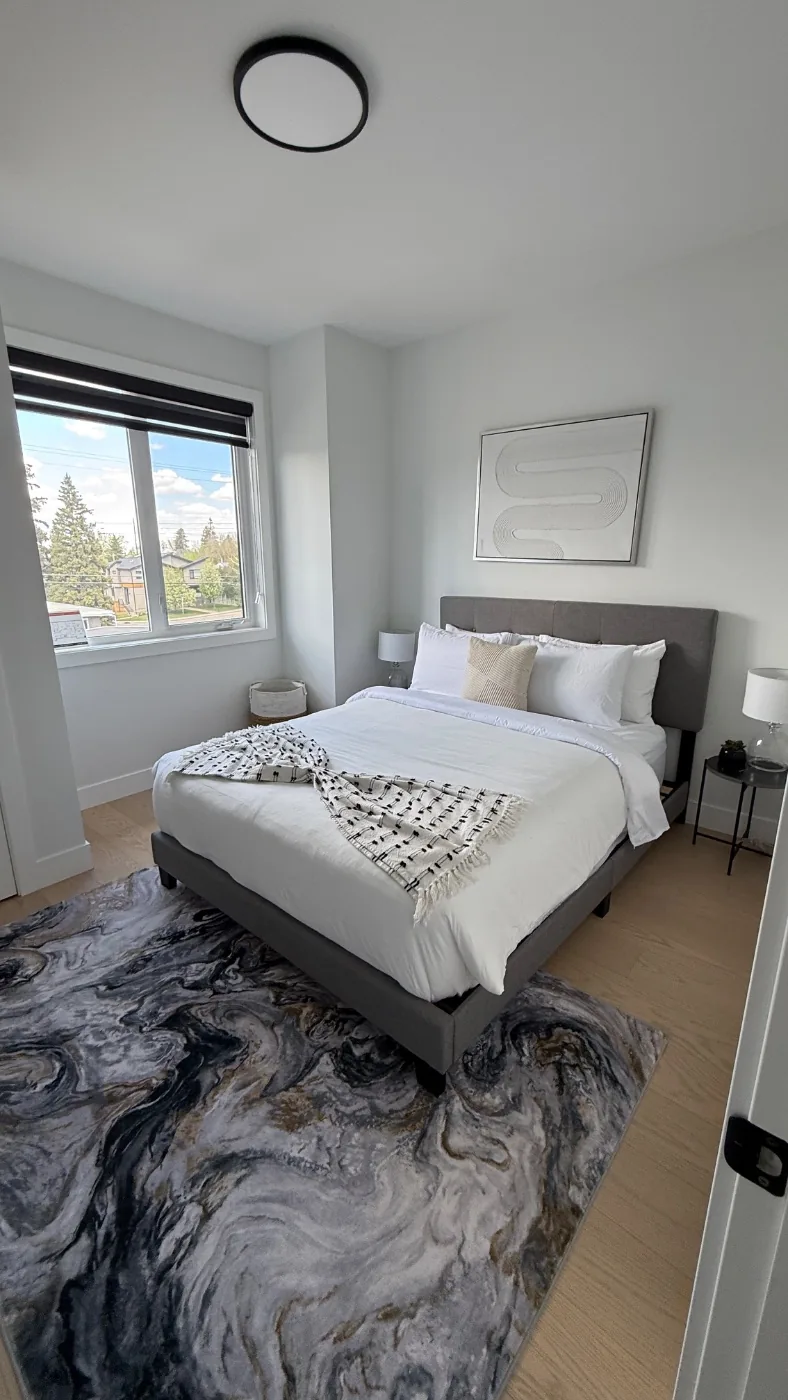
To scale short term rental cleaning across a Calgary portfolio, build systems before headcount: zone crews by quadrant, schedule around check-in and check-out, line up backup capacity, onboard each new unit with a baseline walk-through and run one standard checklist everywhere. Stay length drives turnover volume, so plan for it, not only for unit count.
Cleaning breaks first when a portfolio grows. The first ten units run on goodwill and a group chat, and the next ten expose every gap. This guide covers the systems that let a Calgary STR management company add units without adding chaos.
How Do You Scale STR Cleaning Across a Growing Portfolio?
You scale STR cleaning by building systems before headcount: zones, a standard checklist, scheduling rules, backup capacity and a repeatable onboarding step for each new unit. Adding cleaners without those systems only multiplies the inconsistency. The five sections below cover each system in the order most managers need them. If you are still deciding between your own crew and a vendor, read when to outsource STR cleaning in Calgary first.
Zone Crews by Calgary Quadrant
Zone crews by area so that each team works a tight cluster and drives less between turnovers. Calgary’s quadrants are separated by the river and major routes, so a unit across town can mean a long drive at the checkout rush. Group your units into zones such as downtown, inner city, NE, NW, SE and SW, then assign a lead and a backup to each zone. Keep each crew inside its zone on busy days, and move people across zones only when a gap forces it. Track drive time between jobs for a month, because the data usually shows where a boundary should move. We publish area pages that describe how we approach each part of the city:
- Downtown Calgary
- Inner city Calgary
- Northeast Calgary
- Northwest Calgary
- Southeast Calgary
- Southwest Calgary
Schedule Around Check-In and Check-Out
Stay length, not unit count, decides how many turnovers you must staff. AirDNA shows Calgary occupancy around 60%, which is about 18 booked nights a month for a unit. At 3 night stays that is about 6 turnovers a month, at week long stays 2 to 3, and with short weekend stays 8 or more. A thorough turn of a one bedroom takes about 2 to 3 hours, according to Hostaway’s turnover guide, so crew hours scale with turnovers and bedrooms. Build your schedule from these rules:
- Cluster checkouts by zone and by time, not by owner.
- Leave a buffer between checkout and the next check-in on every unit.
- Flag same-day units and give them first call on crew time.
- Assign late checkouts a fallback time before the day starts.
Weekends, long weekends and event weeks stack check-outs into the same hours, so schedule those days with extra crew and tighter buffers, and release capacity back when the calendar is quiet. Our guides to same-day turnovers and how long a turnover takes go deeper.
Build Backup Capacity Before You Need It
Backup capacity means a second person or vendor can cover any unit within the same completion window, and it must exist before the first sick day. Cross-train at least two people per zone, keep a named overflow vendor for surge dates like Stampede, and test the backup with one live turnover so you know it works. Ask every vendor for their absence plan in writing and how much notice they need for peaks. See Stampede Airbnb turnovers for how fast demand compresses. Winter needs its own plan, since snow slows travel and adds floor and entry work, so build wider buffers into cold-weather schedules using our winter cleaning guide. Review the backup plan every quarter, because staff, vendors and your portfolio will all have changed.
Onboard New Units Without Surprises
Onboard every new unit with the same steps so the first clean is never the test. Use this sequence:
- Walk the unit with the crew lead and take baseline photos of every room.
- Record access, parking, alarm and lockbox details in one place.
- Set linen par levels and mark supply and linen storage.
- Note unit-specific tasks, such as hot tubs, fireplaces or delicate surfaces.
- Run one observed turnover before the first guest arrives.
- Review the first photo report and adjust the checklist.
Our cleaner onboarding checklist covers the access and supply details in more depth.
Standardize Checklists Across Every Unit
Use one base checklist for every unit and add short unit-specific notes on top. A base list keeps standards consistent when staff rotate between units, and it makes photo reports comparable across the portfolio. Our 33 point cleaning checklist is a model, and the printable cleaning checklist template helps you adapt one. Unit-specific notes should be short and visible: a hot tub cover, a delicate countertop, a fireplace, a special key or a parking rule. Review the base checklist every quarter using the issues your photo reports and guest reviews turned up. Pair the checklist with time stamped photos of every room so you can audit any unit without visiting it. When a checklist item keeps being missed, fix the wording or the training, not just the person. Consistency across units is what lets you add the next ten without redesigning the operation.
What We Do at CleanStays
CleanStays provides property manager portfolio cleaning designed to grow with you. Each clean follows our 33 point room by room checklist, starts within 30 minutes of checkout and ends with time stamped photos of every room filed before the next guest arrives. We also change linen, make beds, check restocks and flag damage or maintenance issues, seven days a week. See our property manager cleaning service for how it works, then get an instant estimate for your first batch of units.
Sources: AirDNA Calgary market data, read Oct 31, 2026. Hostaway turnover guide, read Nov 3, 2026. CleanStays method is our own published process.