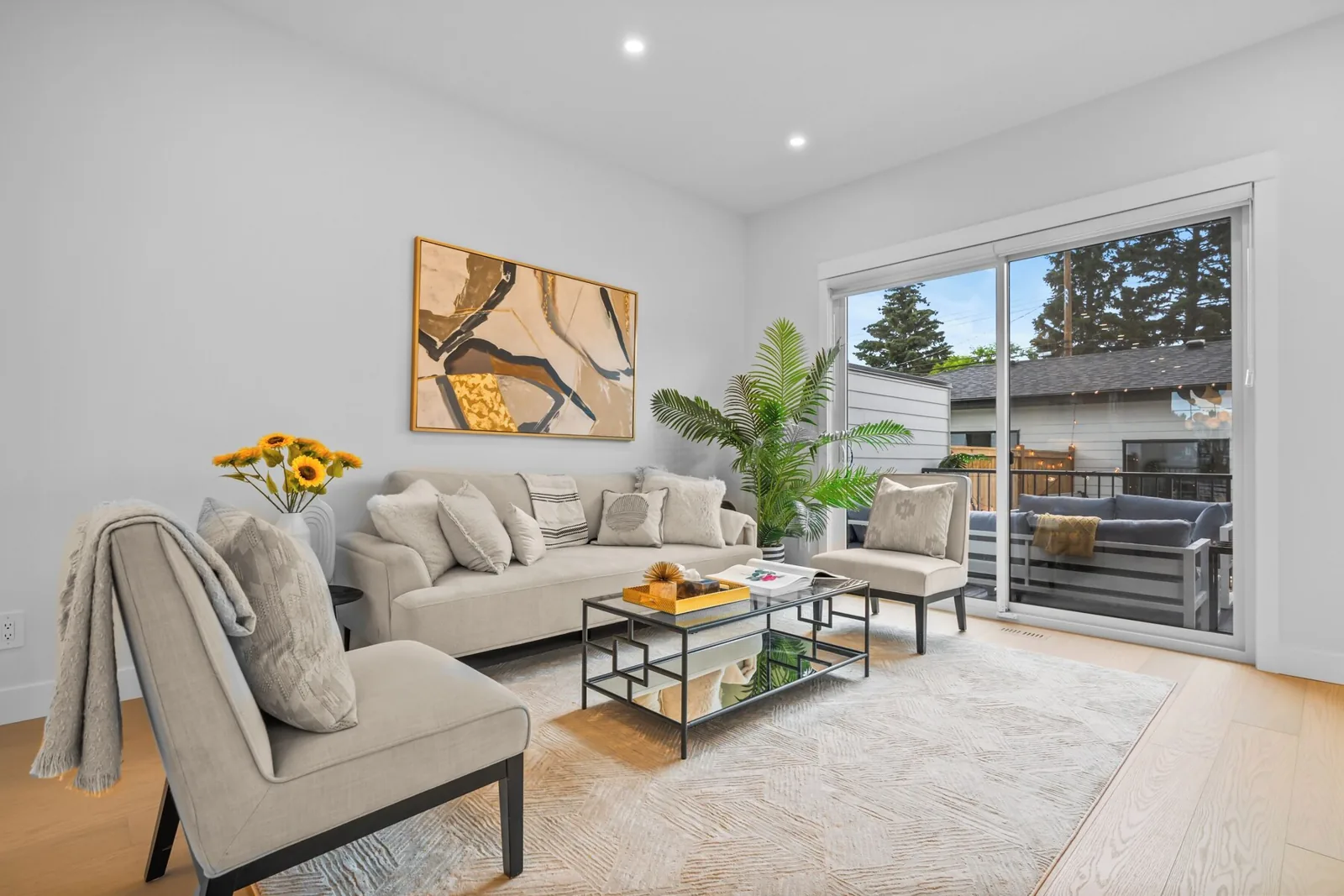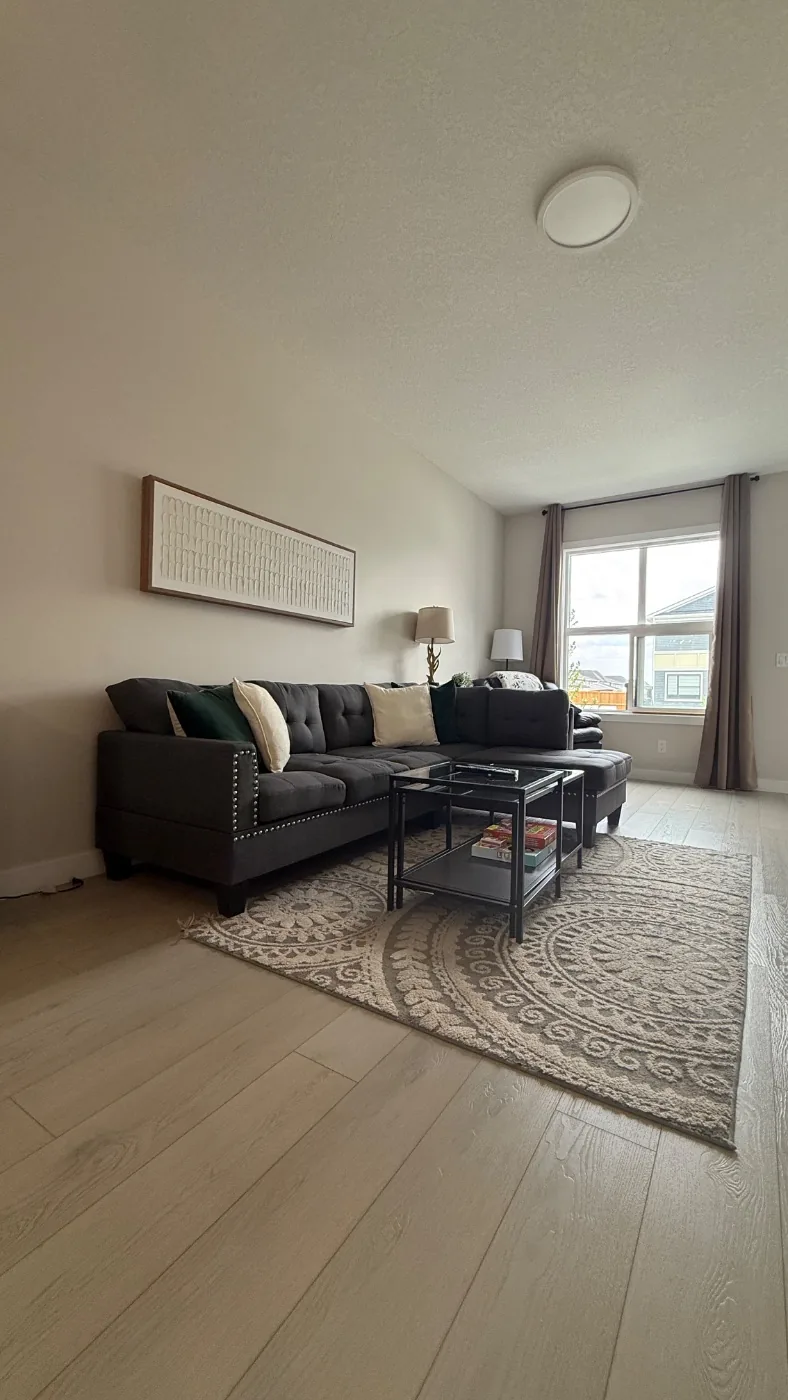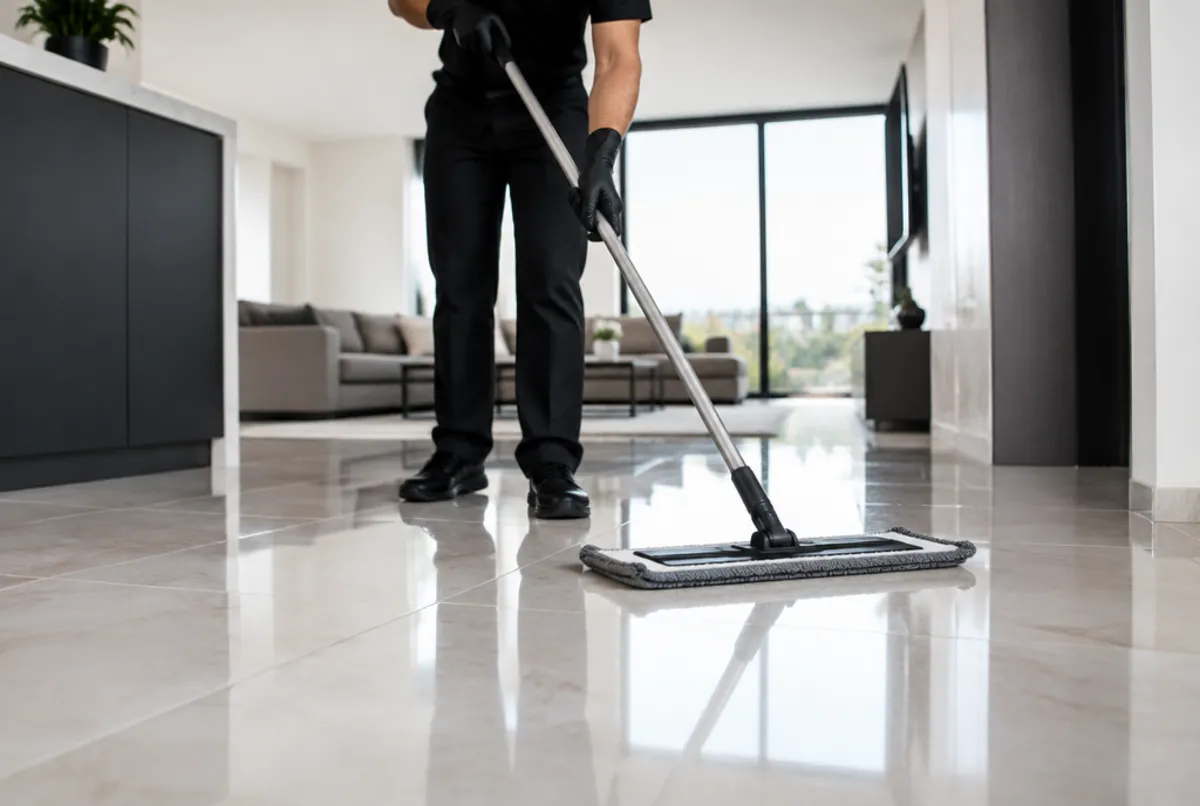
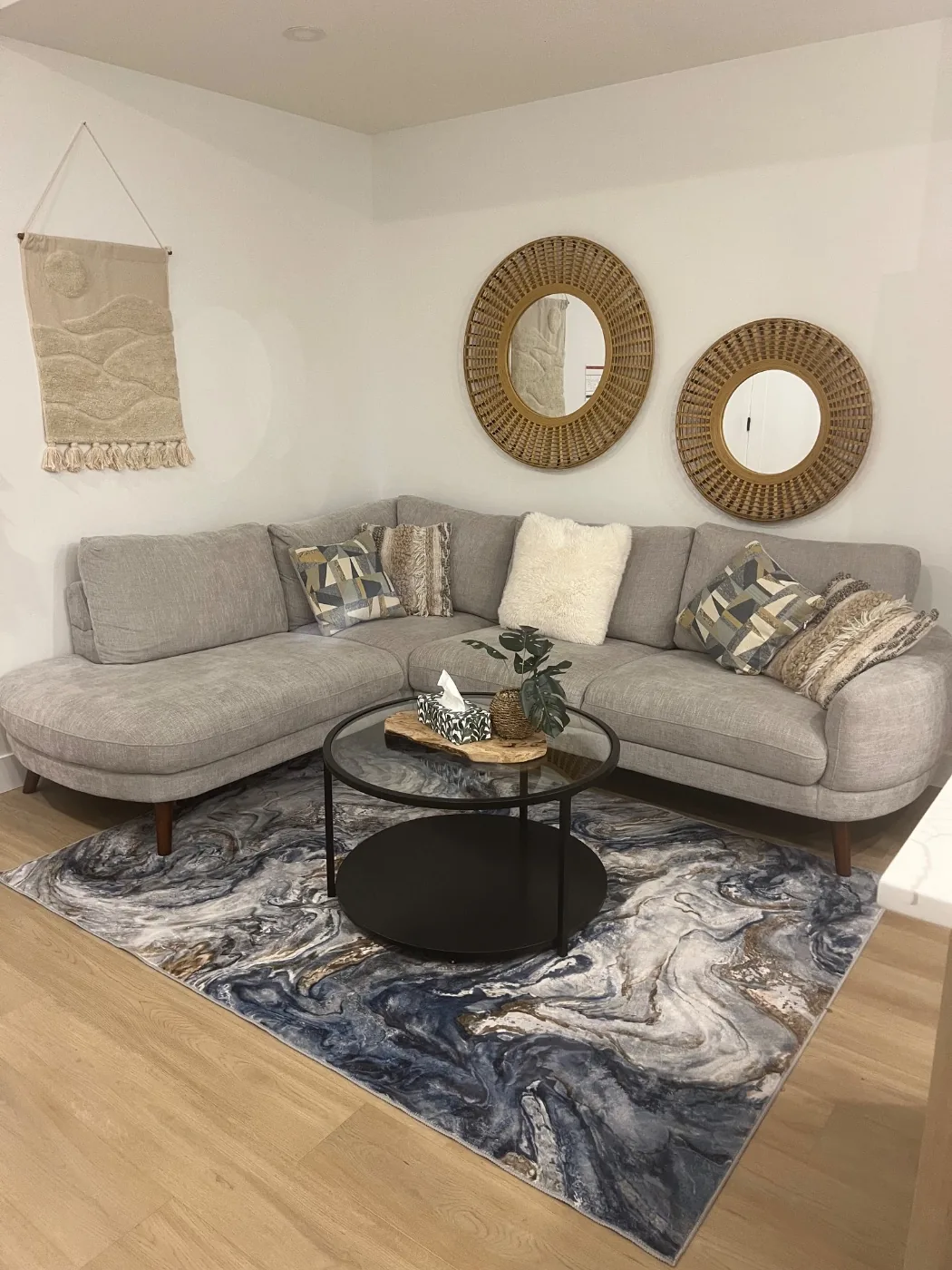
Vacant home cleaning Calgary listings need is a deep clean plus a repeat plan: dust, odour, windows and floors first, then re-cleans between showings as foot traffic and dust return. Keep utilities on for cleaning and use a lockbox with a logged key protocol. CleanStays deep cleans start at $210 for a studio or one bedroom.
Vacant home cleaning in Calgary is a deep clean of an empty listing plus a plan to keep it showing-ready between visits. Empty homes collect dust, stale air and footprints quickly, and an empty room has nothing to hide a streak or a smell. This guide covers what to clean, what to switch on, how often to return and how to handle keys.
What Does Vacant Home Cleaning Involve?
Vacant home cleaning involves a full deep clean of every room, then a repeat plan based on foot traffic. Because the home is empty, the crew can reach cabinets, closets, floors and edges without moving furniture, and the result is easier to verify. A vacant home is also the easiest kind to inspect, since nothing blocks the view of corners, closets or the edges of floors. If the home was just vacated, it often overlaps with the work in our move-out cleaning checklist.
Plan the job in two parts: an initial deep clean before the first photos or showing, and short re-cleans after traffic. The deep cleaning service covers the first part. Ask the seller whether repairs, painting or trades are still to come, because cleaning before that work ends means cleaning twice. A good order is repairs, then deep clean, then staging, then photos.
Dust, Odour and Air in an Empty Home
Empty homes often smell stale because air does not move, and dust settles on every flat surface. Start by removing the source of any odour: empty fridges and bins, clean the oven, wipe the inside of cabinets and clean drains and bathroom fixtures. Then ventilate the home by opening windows when weather allows, and wipe or vacuum surfaces so dust is gone, not just moved.
Avoid masking smells with heavy fragrance, since buyers can react to strong scents. If an odour persists after cleaning, it may come from a source cleaning cannot fix, such as carpet, a drain or a moisture problem. Tell the seller so it can be dealt with separately. For the order of work around photos, see our listing photo day cleaning checklist.
Windows, Floors and Fixtures
With no furniture to distract, buyers look at windows, floors and fixtures, so these need the most care. Tell your cleaner to focus on:
- Interior glass, window sills and tracks
- Floors edge to edge, including corners, thresholds and closets
- Baseboards, door frames, switches and vents
- Light fixtures, fans and bathroom chrome
- Kitchen cabinets, drawers and appliance interiors
In an empty room, a scuff or a streak is obvious. Do floors last, with a final vacuum or mop after every other task, so footprints from the crew do not remain.
Utilities, Water and Power for Cleaning
Keep power and water on for cleaning, and confirm that heat is on in cold weather. A crew cannot mop without hot water, vacuum without power or judge results in a dark room. If the seller has cancelled utilities, ask for them to be reinstated for the cleaning date, or arrange a short-term plan with the utility provider.
Heating matters in Calgary winters: cold surfaces, frozen drains and condensation on glass all make cleaning harder. Make sure the home is warm enough for the work, and that the crew can use the washroom if the visit is long.
How Often to Re-Clean Between Showings
Re-clean based on traffic and conditions, not on a fixed calendar. A listing with steady showings, an open house or a dusty season needs touch-ups more often than a quiet one. Triggers for a return visit include:
- After an open house or a day of back-to-back showings
- After weather that brings salt, sand or mud into the entry
- After trades, repairs or staging work in the home
- Before a key showing, such as a second visit by a serious buyer
A short touch-up usually covers floors, glass, bathrooms and the kitchen. Ask your cleaner about a lighter-scope visit for these returns, rather than another full deep clean. Our guide to deep versus standard cleans shows how the two levels compare.
Lockbox Access and Key Handling
Use one documented access method and limit who has it. A lockbox is the usual choice for vacant listings, because the code can be changed and the access can be logged. Share the code only with the cleaner, record who has it and change it afterward if you prefer. If the seller or another agent also visits, note that in your log so you know who was in the home between the clean and the next showing.
- Confirm the date and arrival window in writing
- Ask the cleaner to lock up and confirm completion
- Keep a record of who accessed the home and when
- Never leave a key in a hiding spot or share codes by public channels
Our guide to working with a cleaning partner covers access protocols and scope sheets in more detail.
What We Do at CleanStays
We use a 33 point room by room checklist and file time stamped photos of every room on rental work, so you can see the finished result without driving over. Pre-sale and vacant deep cleans start at $210 for a studio or one bedroom and reach $450 for five or more bedrooms. Read how we handle listings in our pre-sale cleaning guide, then get an instant estimate for your listing.
Sources: CleanStays published starting rates for deep cleans, as listed on cleanstays.ca, read Nov 3, 2026. Access and utility tips are general guidance, not a guarantee of any provider’s process.