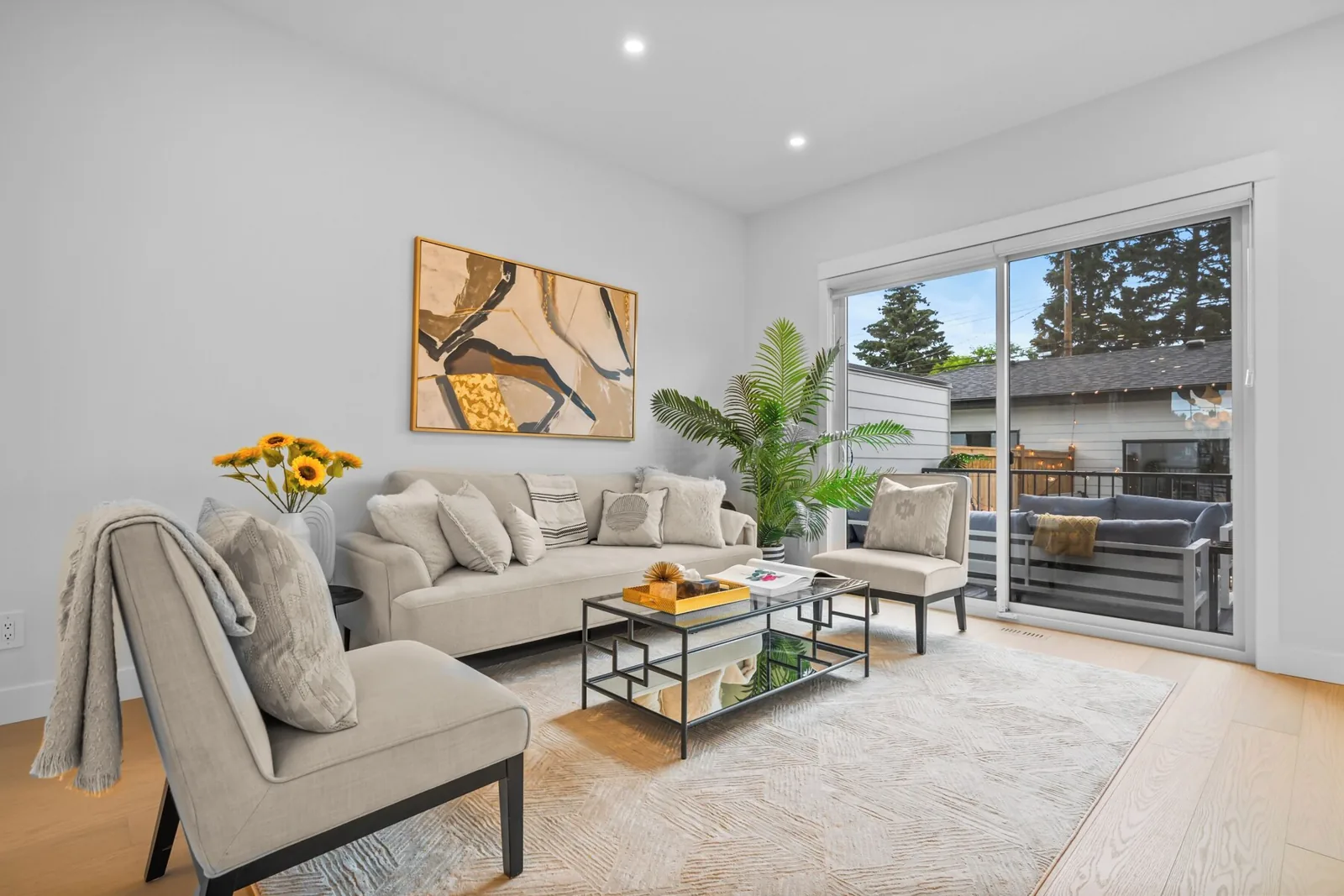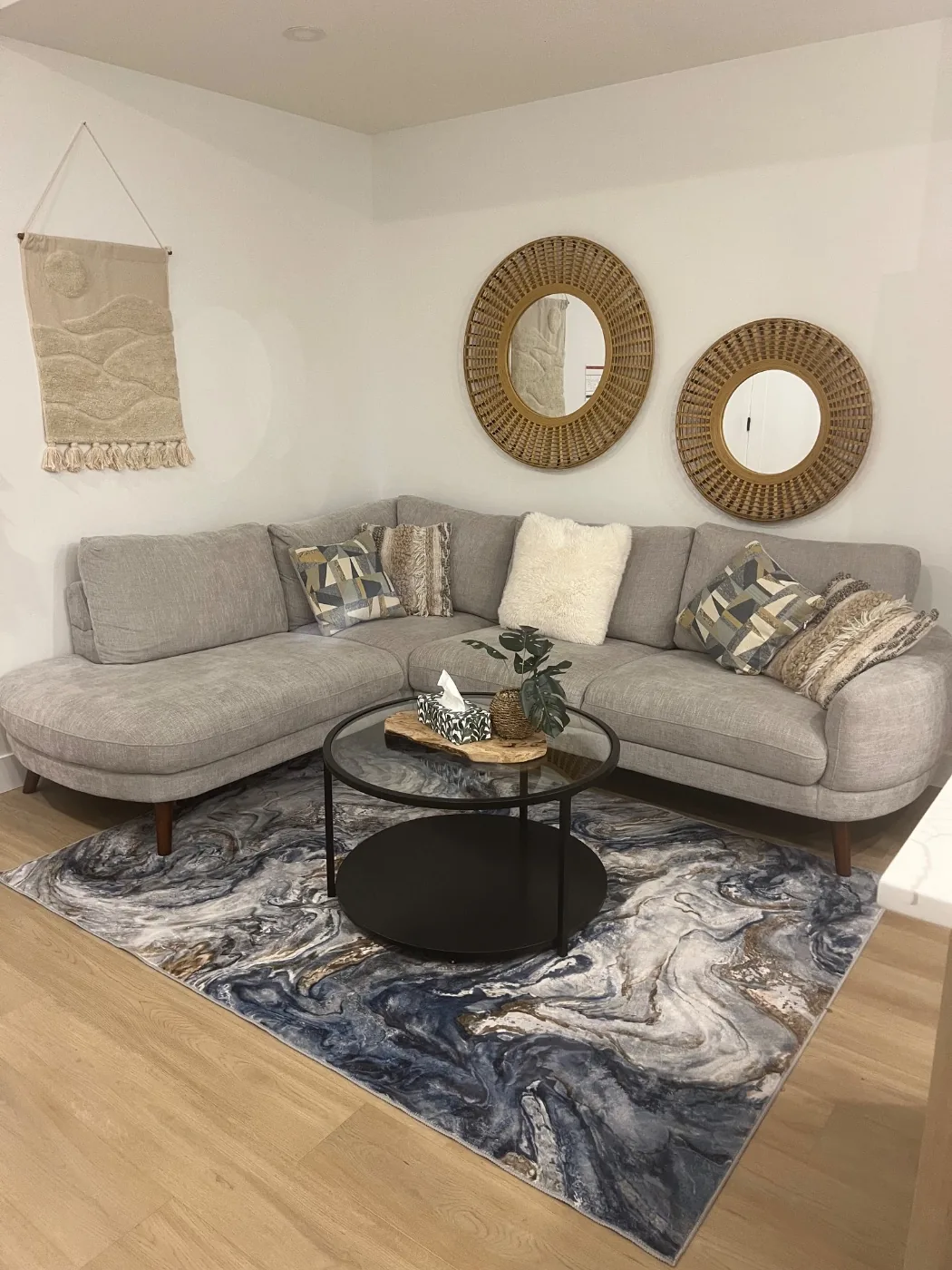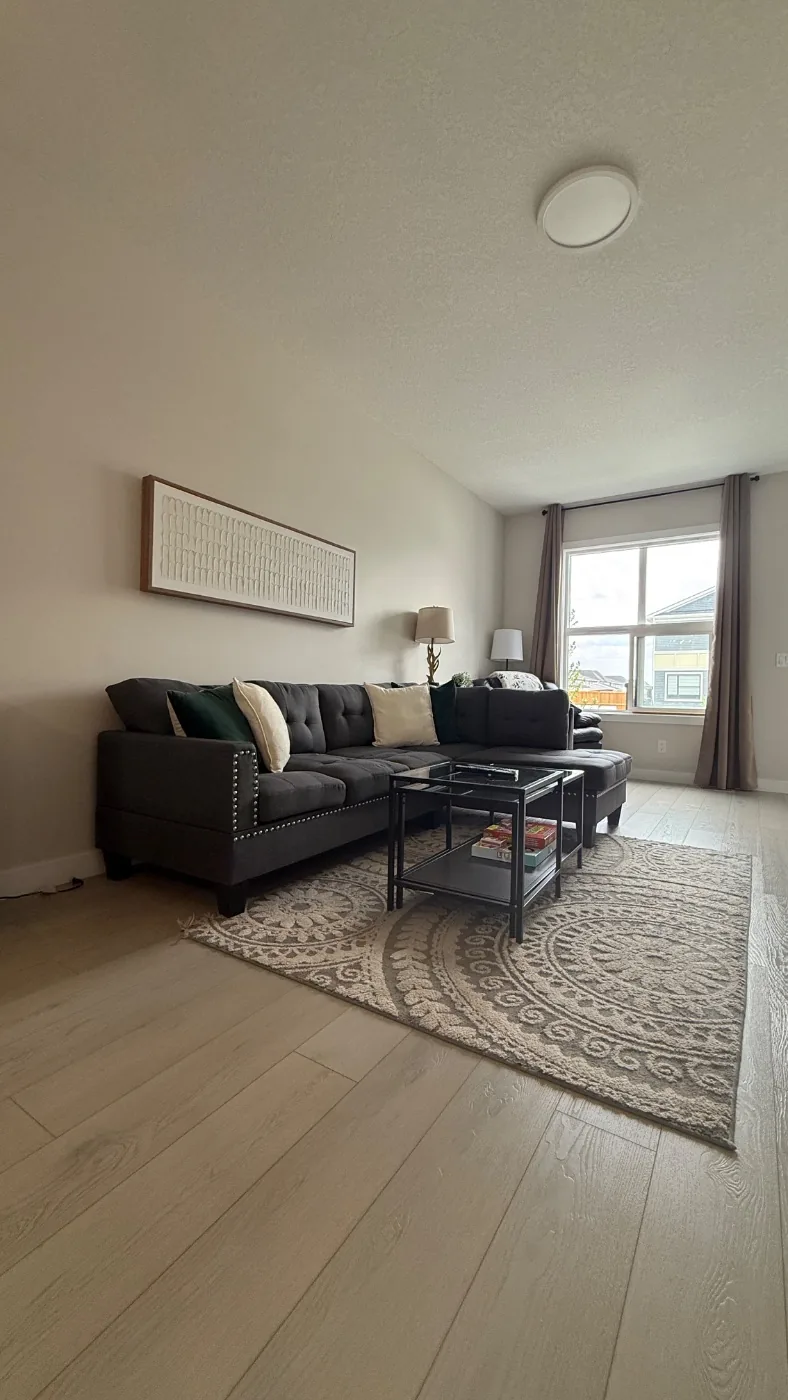
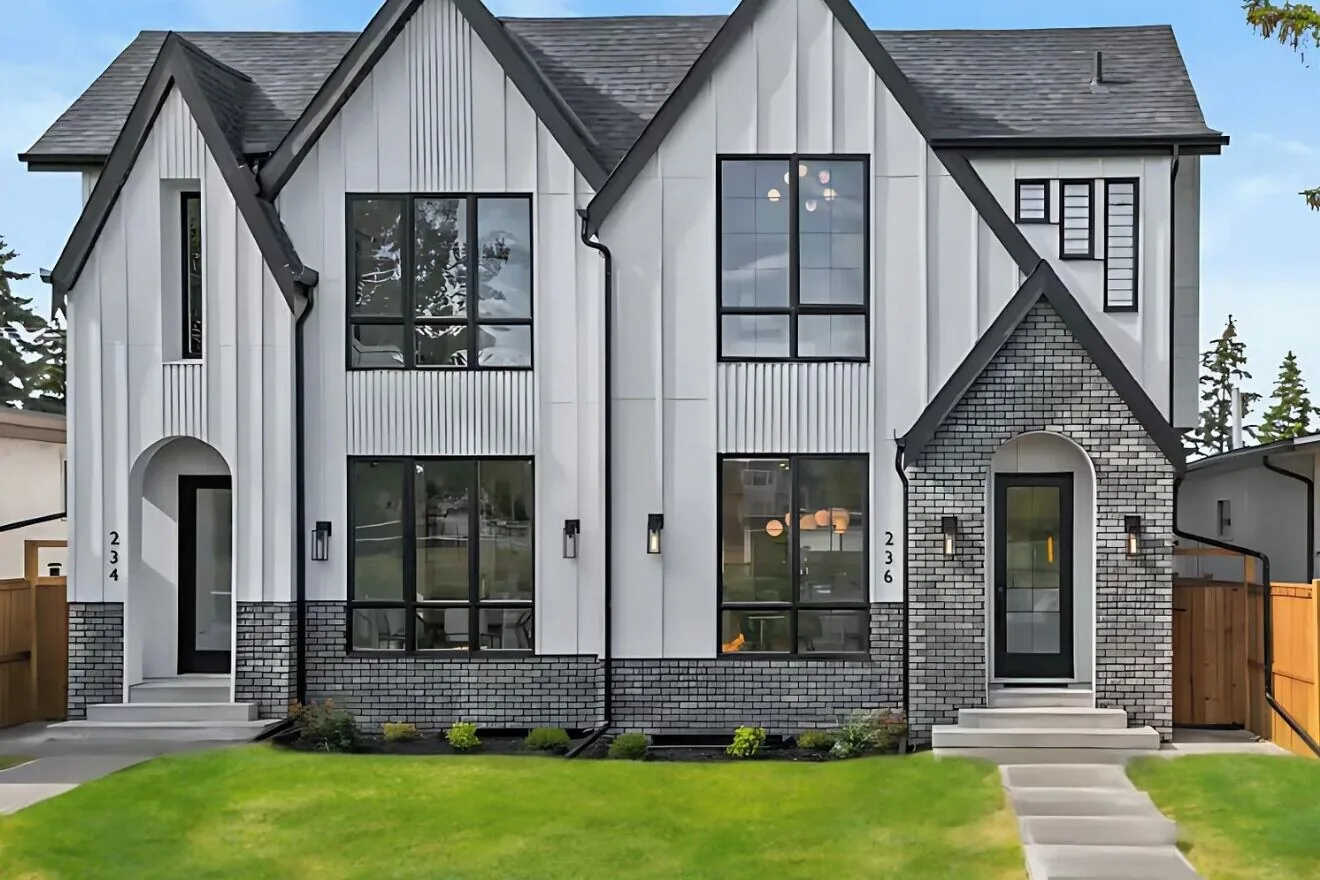
Calgary has 3,911 licensed short term rentals, split 2,211 non primary residence and 1,700 primary residence. Since April 1, 2025 every operator picks one of those two categories, passes a fire inspection before the licence is issued, and takes one booking at a time with no more than two people per bedroom.
The Rules in Short
Calgary rewrote how it licenses short term rentals, and the current definition took effect on April 1, 2025. A short term rental is temporary accommodation provided for compensation in a dwelling unit or part of one, for up to 180 consecutive days, advertised through a short term rental company. That definition is what pulls a listing into the licensing regime in the first place.
Every licence now sits in one of two categories. Primary residence means you live in the home as your main dwelling and can prove the address. Non primary residence means you own it, or have the owner’s authorization, but you live somewhere else. At renewal, existing operators reclassify into one of the two.
Both categories carry the same operating limits. One booking at a time. No more than two people per bedroom. Stays capped at 180 consecutive days. A Calgary Fire Department inspection, with the fire safety plan approved first, before a new licence is issued.
What the City’s Own Data Shows
The City publishes every licensed short term rental as open data. Read on October 31, 2026, that dataset holds 3,911 licensed properties across Calgary.
The split matters more than the total:
- 2,211 non primary residence, roughly 57 percent. The operator does not live there.
- 1,700 primary residence, roughly 43 percent. The operator lives in the home.
Most of Calgary’s licensed short term rental stock is run by someone who is not on site. That is the whole operational problem in one number. If you do not live in the property, every turnover is either a drive across the city or a handoff to someone you trust. We publish area by area coverage for exactly that reason.
What Kind of Properties These Are
The same dataset breaks the 3,911 down by what the property actually is:
- Legally registered suite, 1,093
- Single or detached house, 980
- Apartment or condo unit, 828
- Duplex or triplex, 338
- Townhouse, 277
- A bedroom in the home, 255
- Suite in a house, 90
- Coach or lane house, 50
Legally registered suites are the single largest group. That shapes a turnover in ways a generic cleaning quote ignores: a suite usually shares an entry, a laundry, or a mechanical room with the main dwelling, and the cleaning scope has to be explicit about where the suite ends.
Where Cleaning Meets the Bylaw
Nothing in the bylaw says how clean a property has to be. The overlap is quieter than that, and it runs through the fire inspection and the guest cap.
The fire inspection is a condition of the licence. A fire safety plan has to be approved before the inspection, and the inspection has to pass before the licence is issued. Day to day, that puts a handful of items inside the turnover rather than outside it. Smoke and carbon monoxide alarms that are present and powered. Exits and egress windows that are not blocked by furniture a guest moved. The fire safety plan posted where it is supposed to be. A crew that is not looking for those things will not notice when a guest moves a dresser in front of a bedroom window.
Two people per bedroom is a standing limit. It also sets your linen math. A three bedroom licensed for six guests needs par levels built for six, not for the four who usually show up.
Emergency contact information has to stay current. If the person who answers at 11 PM is the cleaner, the cleaner has to actually be reachable, and the contact on file has to match reality.
The Habits That Keep a Licence Clean
None of this is hard, but it is easy to let slide across a year of turnovers.
- Check alarms on every turn, not on a schedule. A guest removes a battery for a chirp and nobody finds out for six weeks.
- Reset egress. Furniture drifts. Put it back where the fire safety plan assumes it is.
- Photograph the posted fire safety plan as part of the completion photo set, so there is a dated record it was in place.
- Keep linen par at the licensed occupancy, not the average booking.
- Diarize the renewal 30 days out. Renewals open up to 30 days before the date, and the reclassification happens there.
What We Do About It
CleanStays runs a 33 point checklist on every turnover, and the alarm, egress and posted documentation checks sit inside it rather than as an extra. Every room is photographed and the set is filed to the property record before the next check in, which means that if a question ever comes up about the state of the property on a given date, there is a time stamped answer.
That is worth more to a non primary operator than to anyone else, and non primary operators are the majority of this market.
Figures from the City of Calgary Open Data short term rentals dataset and the City’s short term rental business licence pages, both read October 31, 2026. Licence counts change as licences are issued and expire. This is an operator’s summary, not legal advice. Confirm your own obligations with the City before you act on them.